
Many taxpayers believe that once they submit their Income Tax Return (ITR) and receive the acknowledgement, the filing process is complete. However, after a few days or weeks, they may notice a status on the Income Tax e-Filing Portal such as Defective Return, Invalid Return, Return Not Verified, or even assume that a return has been “rejected.”
These terms often create confusion because they appear similar, but each has a different meaning under the Income Tax framework. A defective return, an invalid return, an unverified return, and the commonly used expression “rejected return” have different causes, legal implications, and corrective actions. Understanding these distinctions is important to avoid delays in processing, loss of tax benefits, or unnecessary compliance issues.
This article explains the meaning of each Income Tax Return status, why it may arise, the implications for taxpayers, and the appropriate steps to take for resolving the issue and ensuring that the return is processed correctly.
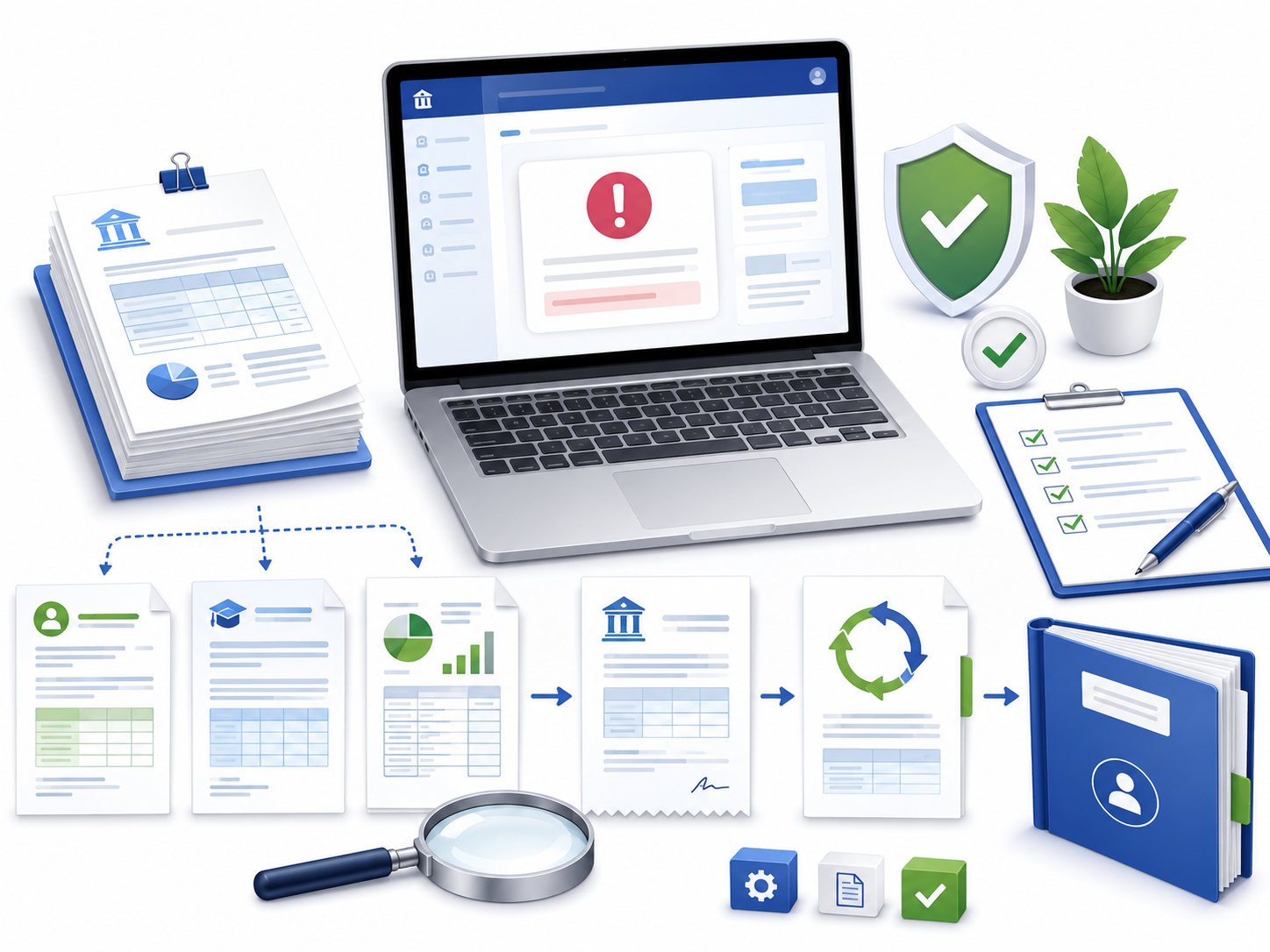
Defective, Invalid, and “Rejected” Income Tax Returns Are Not the Same
Taxpayers often use the terms defective return, invalid return, and rejected return interchangeably. However, these represent different situations under the Income Tax framework and have different consequences. Understanding the distinction is important because the corrective action depends on the actual status of the return.
In general, a defective return can usually be corrected within the prescribed time, whereas an invalid return may be treated as though no return was filed. The expression “rejected return” is commonly used in practice or displayed in certain portal-related situations, but it is not, by itself, a specific category of return under Section 139 of the Income-tax Act.
| Particular | Defective Return | Invalid Return | “Rejected” Return |
|---|---|---|---|
| Meaning | The return contains deficiencies or missing information that require correction. | The return is treated as not valid under the applicable provisions. | Usually refers to a portal status or administrative outcome rather than a separate legal category of return. |
| Common Reasons | Incomplete schedules, missing information, incorrect disclosures, or supporting tax details. | Failure to rectify defects within the permitted period, non-verification, or other procedural shortcomings. | Upload failures, condonation request rejection, form-related issues, or misunderstanding of portal messages. |
| Can It Be Corrected? | Generally yes, provided the defect is rectified within the prescribed response period. | Depends on the stage of the proceedings and the remedies available under the applicable provisions. | Depends on the actual reason behind the portal status or administrative action. |
| Effect on the ITR | The return remains pending until the reported defects are corrected. | The return may be treated as though it was never validly furnished. | The taxpayer should first identify the legal reason behind the status before taking corrective action. |
| Impact on Refund | Refund processing may be delayed until the defects are rectified. | Refund processing may not proceed where the return is treated as invalid. | The impact depends on whether a valid return ultimately exists. |
| Compliance Implications | Requires a timely response to avoid further consequences. | May result in consequences relating to late filing, processing, assessment, or other compliance requirements. | The taxpayer should carefully review the portal communication and determine the actual legal position before responding. |
Before taking any corrective action, taxpayers should carefully review the exact status displayed on the Income Tax e-Filing Portal and the accompanying communication from the Income Tax Department. Identifying whether the issue relates to a defective return, an invalid return, or a portal-related status is the first step towards choosing the appropriate remedy and ensuring timely compliance.
Defective Income Tax Return: What Does It Mean?
A defective Income Tax Return (ITR) is a return that has been successfully filed but contains one or more deficiencies that require correction. Receiving a notice regarding a defective return does not mean that the return has been rejected. Instead, it indicates that the Income Tax Department has identified certain issues that the taxpayer is required to rectify within the prescribed time.
A return may be treated as defective for several reasons, including incomplete information, missing schedules, inconsistencies in tax computations, or insufficient supporting details. Until the reported defects are corrected, further processing of the return may remain pending.
- The Income Tax Return has already been filed but contains one or more deficiencies.
- The return is generally capable of being corrected by responding within the prescribed time.
- Common defects may include incomplete schedules, missing computations, inconsistencies in income reporting, or mismatches relating to tax payment details.
- The Income Tax Department communicates the identified defects and provides an opportunity to rectify them.
- Timely compliance with the notice helps the return proceed further for processing.
The principal provision governing defective returns is Section 139(9) of the Income-tax Act. Where a return is considered defective under this provision, the taxpayer is generally provided an opportunity to remove the reported defects within the time allowed by the Income Tax Department.
A notice under Section 139(9) should not be ignored. A defective return is generally curable if the deficiencies are rectified within the prescribed period. Failure to respond within the permitted time may result in the return being treated in accordance with the applicable provisions of the Income-tax Act, potentially affecting processing, refunds, and overall tax compliance.
What Does an Invalid Income Tax Return Mean?
An invalid Income Tax Return (ITR) generally means that the return may be treated as though it has not been validly furnished under the applicable provisions of the Income-tax Act. This is generally a more serious situation than a defective return because, unlike a defective return, an invalid return may lose its legal effectiveness if the prescribed requirements are not fulfilled.
One common situation in which a return may become invalid is when the taxpayer fails to rectify the defects communicated under Section 139(9) within the prescribed time. Similarly, if a return is uploaded but is not verified within the applicable time limit or through the prescribed verification process, it may be treated as a return that has not been validly furnished.
- An invalid return is generally more serious than a defective return.
- A return may become invalid if defects reported under Section 139(9) are not rectified within the prescribed period.
- A return that is filed but not verified within the applicable time may also be treated as not having been validly furnished.
- An invalid return may be regarded as though no valid return exists for the relevant assessment year, subject to the applicable legal provisions.
- The appropriate remedy depends upon the reason for invalidity and the stage of the proceedings.
Since the consequences of an invalid return can vary depending on the facts of the case and the applicable provisions of the Income-tax Act, taxpayers should carefully review the communication received from the Income Tax Department before taking corrective action.
An invalid Income Tax Return may affect several aspects of tax compliance, including the processing of refunds, the availability of carry-forward of eligible losses (where permitted by law), and subsequent assessment or compliance proceedings. Therefore, taxpayers should promptly review any communication indicating that a return has become invalid and take appropriate action within the applicable legal framework to avoid unnecessary compliance consequences.
Is an Income Tax Return Really “Rejected”?
The expression “Income Tax Return rejected” is widely used by taxpayers, but in many situations it does not represent a specific statutory category under the Income-tax Act. Instead, it is often used informally to describe different types of portal messages or administrative outcomes that require further examination.
Before assuming that an Income Tax Return has been rejected, taxpayers should first identify what has actually been rejected or what action has not been accepted. The corrective steps vary depending on the underlying reason.
- The Income Tax Return may have been uploaded incorrectly or the filing process may not have been completed successfully.
- The return may not have been verified within the prescribed time limit.
- A condonation request or application for delayed verification may have been rejected.
- A revised or updated return may not have been accepted because the applicable legal conditions were not satisfied.
- The portal message may actually relate to a defective or invalid return rather than a statutory “rejection” of the return itself.
Therefore, the first step is not to assume that the Income Tax Return itself has been rejected. Instead, taxpayers should carefully review the communication available on the Income Tax e-Filing Portal and determine the precise nature of the issue before taking any corrective action.
Before responding, ask the following questions: What exactly has been rejected? Is it a defective return under Section 139(9)? Has the return become invalid because the defect was not rectified? Was the return not verified within the prescribed time? Has a condonation request or another application been rejected? Identifying the actual status is essential because the available remedy depends on the underlying reason rather than the word “rejected” displayed or commonly used.
Common ITR Filing Mistakes That Can Lead to Defective, Invalid, or Processing Issues
Many issues relating to defective returns, invalid returns, delayed refunds, or portal communications arise because of avoidable filing mistakes. Identifying these errors before submitting the Income Tax Return can help taxpayers reduce compliance risks and ensure smoother processing.
| Common Filing Mistake | Possible Consequence |
|---|---|
| Selecting an incorrect ITR form | The return may become defective or face processing-related issues due to incorrect reporting. |
| Omitting mandatory schedules or disclosures | The Income Tax Department may issue a notice treating the return as defective. |
| Failing to verify the return within the prescribed time | The return may be treated as not having been validly furnished, subject to the applicable provisions. |
| Providing incomplete or incorrect tax payment details | May result in a defective return notice or delay in processing the return. |
| Failure to furnish required audit-related information or supporting details | The return may be considered incomplete and may attract a defect notice where applicable. |
| Incorrect reporting or omission of income | Revision of the return or additional compliance action may become necessary. |
| Mismatch between AIS, Form 26AS, TDS records, and the Income Tax Return | May lead to refund delays, departmental communication, or requests for clarification. |
| Attempting to file a revised return after the permitted statutory time | The revised return may not be effective under the applicable provisions of the Income-tax Act. |
| Responding through an incorrect workflow on the Income Tax e-Filing Portal | May delay resolution of the issue or leave the reported defect unresolved. |
Most filing-related issues can be minimized by reviewing the Income Tax Return before submission, selecting the correct ITR form, completing all mandatory schedules, reconciling AIS, Form 26AS, and TDS records, verifying the return within the prescribed time, and responding through the appropriate portal workflow whenever any communication is received from the Income Tax Department.
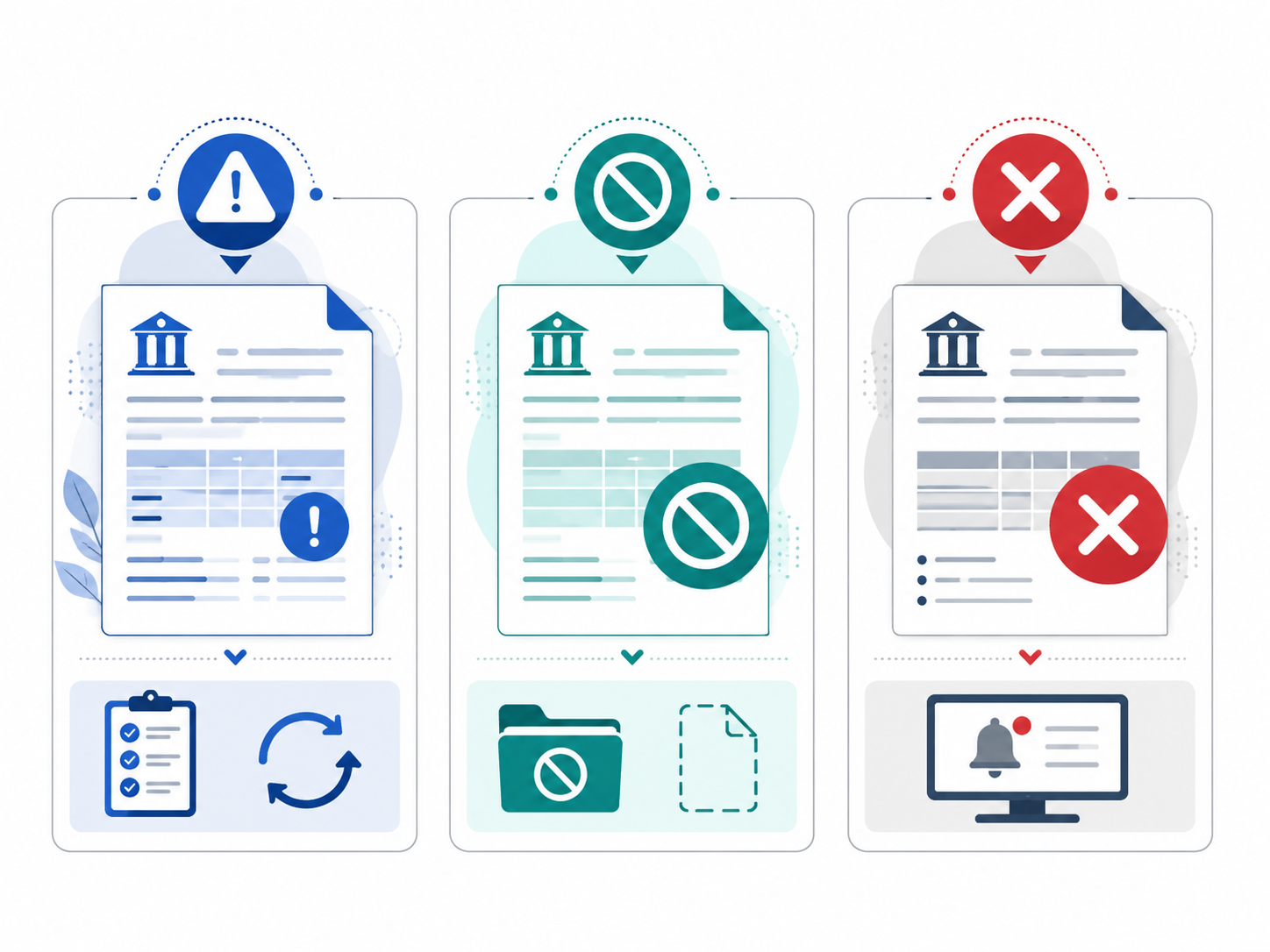
What Should You Do After Receiving Such a Communication?
After receiving an Income Tax portal message, notice, or communication, the taxpayer should first understand the exact issue before taking any corrective action. Every communication does not mean that the return has finally become defective, invalid, or rejected.
The appropriate response depends on the legal status of the return, the reason mentioned in the communication, the applicable deadline, and the correction mechanism available on the Income Tax e-Filing Portal.
| Step | Action Required |
|---|---|
| Step 1: Read the Communication Carefully | Review the complete notice or portal message. Identify the relevant section, assessment year, reason for communication, response deadline, and action required. Do not assume that every message means the return has been permanently rejected. |
| Step 2: Identify the Exact Return Status | Determine whether the matter relates to a defective return, an invalid return, delayed verification, revised return, rectification request, condonation application, or another portal-related issue. |
| Step 3: Review the Filed Income Tax Return | Compare the filed return with Form 16, Form 26AS, AIS, TIS, tax challans, books of accounts, audit reports, bank statements, and other supporting records to identify the source of the discrepancy. |
| Step 4: Collect Supporting Evidence | Keep the ITR acknowledgement number, copy of the filed return, ITR-V or e-verification record, notice copy, tax computation, tax payment challans, audit report acknowledgement, and relevant schedules ready before responding. |
| Step 5: Use the Correct Rectification Process | A defective return generally requires a response through the defective return notice workflow. Incorrect income or disclosure details may require a revised return if the statutory time limit is still available. Verification-related issues, rectification matters, and condonation requests should be handled through their respective portal procedures. |
The most important step is to avoid using the wrong correction method. Responding to a defective return notice through a revised return workflow, or filing a rectification request where a revised return is required, may leave the original issue unresolved. The taxpayer should first classify the communication correctly and then use the specific remedy available under the Income Tax law and portal process.
Will a Defective, Invalid, or Unverified Return Affect Your Income Tax Refund?
In many cases, yes. The processing of an Income Tax refund may be delayed if the return has been marked as defective, treated as invalid, remains unverified, or is undergoing correction through the prescribed statutory process. Since the refund is generally processed after the return is successfully accepted and processed, any unresolved compliance issue can postpone the refund.
However, receiving a communication from the Income Tax Department does not automatically mean that your refund has been rejected or permanently affected. The actual impact depends on the nature of the communication and the status of the return.
- Defective Return: Refund processing may remain pending until the reported defects are rectified within the prescribed time.
- Invalid Return: Where the return is treated as not having been validly furnished, the refund may not be processed unless the issue is resolved through the applicable legal remedy.
- Unverified Return: A return that has not been verified within the prescribed time may not proceed for processing until the verification issue is appropriately addressed.
- Return Under Revision or Correction: Refund processing may be deferred until the revised return or correction process has been completed and accepted, wherever applicable.
Therefore, taxpayers should regularly monitor the status of their return on the Income Tax e-Filing Portal and promptly respond to any notices, verification requests, or defect communications to avoid unnecessary delays in processing.
Receiving an Income Tax communication does not, by itself, mean that your refund has been denied. In many situations, the communication simply requires the taxpayer to verify the return, rectify a defect, or provide additional information before the return can move forward for normal processing. Timely compliance with the applicable requirements generally helps avoid prolonged refund delays.
Case in Point: Three Taxpayers, Three Different ITR Filing Outcomes
The consequences of an Income Tax Return depend not only on whether it has been filed, but also on whether it has been completed correctly, verified within the prescribed time, and supported by the required information. The following examples illustrate how different filing situations can lead to different outcomes.
Case 1: Defective Return
A freelancer filed an Income Tax Return but omitted a mandatory schedule containing income details. The Income Tax Department subsequently issued a notice treating the return as defective.
After reviewing the notice, the taxpayer corrected the missing schedule and responded through the prescribed defect rectification process. Once the defect was rectified within the permitted time, the return continued through the normal processing stage.
Case 2: Invalid Return
A salaried taxpayer successfully uploaded the Income Tax Return but did not complete the verification process within the prescribed time limit.
As a result, the return was treated as not having been validly furnished. The taxpayer then needed to examine the available legal remedies, including delayed verification or condonation, depending upon the applicable provisions and the circumstances of the case.
Case 3: Valid Return After Correction
A business owner received a communication from the Income Tax Department regarding incomplete documentation supporting tax payments disclosed in the return.
After obtaining professional assistance, the taxpayer reviewed the records, submitted the required supporting information through the appropriate process, and resolved the issue, allowing the return to continue through the normal processing procedure.
Key takeaway: Not every communication from the Income Tax Department has the same implication. A defective return may generally be corrected, an invalid return may require specific legal remedies, and many issues can be resolved by responding with the appropriate documents through the prescribed portal workflow. Promptly identifying the exact status of the return and taking the correct corrective action helps minimise delays in processing, refunds, and future compliance.
Common Mistakes Taxpayers Make After Receiving Income Tax Communications
Receiving a communication from the Income Tax Department does not necessarily indicate a serious compliance issue. However, the manner in which a taxpayer responds can significantly influence how quickly the matter is resolved. Many filing complications arise because taxpayers misunderstand the notice or fail to take the appropriate corrective action within the prescribed time.
| Common Mistake | Possible Consequence |
|---|---|
| Ignoring the notice or portal communication | Failure to respond within the prescribed time may result in additional compliance consequences, including the return being treated in accordance with the applicable legal provisions. |
| Assuming the refund will be processed automatically | Refund processing may remain pending until the reported issue is resolved. |
| Filing a fresh Income Tax Return without understanding the notice | The taxpayer may follow an incorrect correction procedure, leaving the original issue unresolved. |
| Treating “rejected” and “defective” as the same status | The wrong remedy may be chosen because the legal implications and correction procedures differ. |
| Responding without supporting documents | Incomplete explanations may result in additional queries or further verification by the Income Tax Department. |
| Waiting until the last date to respond | Portal issues, document collection delays, or verification problems may prevent timely compliance. |
| Not checking whether the Income Tax Return has been successfully verified | The return may be treated as not having been validly furnished if verification requirements are not completed within the prescribed time. |
The best approach after receiving any Income Tax communication is to first identify the exact nature of the issue, review the relevant documents, understand the applicable legal provisions, and then use the correct portal workflow for rectification or response. Prompt action supported by proper documentation can help avoid unnecessary delays in processing, refund issuance, and future compliance proceedings.
How Professional Review Can Help Before Taking Corrective Action on an Income Tax Return
Before responding to a defective return notice, attempting to revise an Income Tax Return, or taking any other corrective action, many taxpayers prefer to have their tax records reviewed by professional advisers. A detailed review can help determine the actual issue before any response is submitted through the Income Tax e-Filing Portal.
Since different filing issues require different remedies, identifying the correct nature of the problem is often the first and most important step. Taking the wrong corrective action may leave the original issue unresolved and lead to further compliance complications.
- Reviewing the filed Income Tax Return for completeness and accuracy.
- Verifying whether the return has been successfully filed and e-verified.
- Reconciling the return with Form 16, AIS, Form 26AS, TDS records, tax challans, and supporting documents.
- Identifying defects, omissions, mismatches, or reporting inconsistencies.
- Determining the appropriate corrective process based on the nature of the issue.
- Reviewing supporting documentation before any response is submitted to the Income Tax Department.
- Assisting with correction, rectification, revised return preparation, or other applicable compliance procedures.
Professional firms such as JackRabbit Consultants assist taxpayers in reviewing filed returns, verifying filing status, reconciling tax records, identifying reporting issues, and guiding them through the appropriate correction process where required.
A professional review can help determine whether the issue relates to a defective return, an invalid return, delayed verification, a revised return, rectification, or another compliance matter. Understanding the exact nature of the issue before taking corrective action helps taxpayers choose the appropriate remedy, improve compliance, and reduce the likelihood of further processing delays or additional communications from the Income Tax Department.
FAQs (Frequently Asked Questions)
Before Assuming Your Income Tax Return Is Defective, Invalid, or Rejected…
Receiving a communication from the Income Tax Department containing words such as “defective”, “invalid”, or “rejected” does not automatically mean that your Income Tax Return has permanently failed or that no corrective action is available. The first step is to understand the exact nature of the communication before taking any action.
Every portal status or departmental notice has a specific purpose and corresponding remedy. Responding without first identifying the actual issue may delay resolution or result in the use of an incorrect compliance process.
- Read the complete notice or portal communication carefully before drawing any conclusions.
- Identify whether the issue relates to a defective return, invalid return, verification, revised return, rectification, or another procedural matter.
- Review the Income Tax Return that was filed along with Form 16, Form 26AS, AIS, tax challans, supporting documents, and other relevant records.
- Determine the appropriate corrective action based on the specific communication and the applicable provisions of the Income-tax Act.
- Respond within the prescribed time wherever a statutory response period has been provided.
A defective Income Tax Return can generally be rectified by removing the reported defects within the prescribed period. An invalid Income Tax Return may require a different legal remedy depending on the circumstances. Likewise, a portal message indicating that a return has been “rejected” should first be examined carefully to determine whether it relates to verification, condonation, portal processing, or another procedural issue.
Many taxpayers choose to have such communications reviewed by professional advisers such as JackRabbit Consultants before submitting any response or corrective filing. A professional review can help identify the underlying issue, verify supporting documentation, determine the appropriate compliance procedure, and prepare an accurate response where required.
The key is not to react immediately to the wording of the portal message but to correctly identify the underlying issue. Understanding whether the communication relates to a defective return, an invalid return, or another procedural matter allows taxpayers to choose the appropriate corrective action, improve compliance, and avoid unnecessary delays in processing, refunds, or future assessment proceedings.