


Section 80-IAC of the Income-tax Act, 1961 is a taxation provision that grants tax exemption to eligible startups in India. The main aim of this section is to promote innovation, entrepreneurship, and employment by providing a reduced tax liability during the early stages of a business.
If your startup is recognized under the Startup India scheme and has been approved by DPIIT, then you can apply for tax exemption benefits under Section 80-IAC, pending certain conditions and approval from the Inter-Ministerial Board (IMB).
What is Section 80-IAC?
Section 80-IAC of the Income-tax Act, 1961 states that an eligible startup is eligible to claim a 100% deduction of profits and gains derived from an eligible business for any three consecutive assessment years out of ten years beginning from the year of incorporation.
In simpler words, this means that if your startup meets the criteria and gets approval, then you can claim a full tax exemption on your profits for three years of your choice within the first ten years of your startup’s incorporation.

Eligibility Criteria for Section 80-IAC
For availing deduction under Section 80-IAC, the startup has to fulfill the following criteria:
- Entity Type
The startup has to be formed as:
- A Private Limited Company, or
- A Limited Liability Partnership (LLP)
Partnership firms and sole proprietorships are not eligible for deduction under Section 80-IAC.
2. DPIIT Recognition
The startup has to be recognized as a startup by the Department for Promotion of Industry and Internal Trade (DPIIT) under the Startup India scheme.
3. Period of Incorporation
The startup has to be incorporated within the notified period by the Government (as per the latest notification, eligible period of incorporation is applicable for startups formed on or after 1 April 2016 and within the extended timeline notified by the Government).
4. Turnover Limit
The total turnover of the startup should not exceed ₹100 crore in any financial year since incorporation.
5. Nature of Business
The startup should be involved in innovation, development, or improvement of products, processes, or services, or should have a scalable business model with potential for employment generation or wealth creation.
6. Not Formed by Splitting or Reconstruction
The business should not be formed by splitting up or reconstructing an existing business.

What is the Benefit Under Section 80-IAC?
The following are eligible for the benefit:
- 100% deduction of profits earned from eligible business
- For any three consecutive years
- Within the first ten years of incorporation
The three years can be chosen by the startup when the profits are higher.
Note: The deduction will be allowed only on profits earned from eligible business activities and not on other income such as interest income, capital gains, etc.
Role of Inter-Ministerial Board (IMB)
Even after DPIIT approval, a startup needs approval from the Inter-Ministerial Board (IMB) to get deduction under Section 80-IAC.
IMB examines the following:
- Nature of innovation
- Scalability
- Business model
- Financials
- Supporting documents
Failure to get IMB approval will result in the startup not being eligible for the 80-IAC deduction.
Startups may receive rejections for incomplete documentation or poor representation of innovation. A proper and compliance-oriented approach can greatly help in getting approval.
Experienced professionals such as Jackrabbit – Financial Consultants in Gurugram can help startups in assessing eligibility, arranging IMB applications, scrutinizing financial documents, and strategizing the best year selection so that the application is strictly in compliance with the law.
Section 80-IAC Tax Exemption Application Process
Step 1: DPIIT Recognition is Mandatory
The first step is to obtain DPIIT recognition under the Startup India initiative.
Step 2: Login to Startup India Portal
Login to your account on the Startup India portal.
Step 3: Apply for Tax Exemption under Section 80-IAC
Move to the tax exemption application section and choose the option for Section 80-IAC tax exemption application.
Step 4: Fill the Application Form
You will be required to submit the following information:
- Information about the startup
- Description of innovation or improvement
- Business model description
- Revenue model
- Financial projections
Step 5: Upload Required Documents
The list of required documents includes:
- DPIIT Recognition Certificate
- Certificate of Incorporation
- Financial statements since incorporation
- Income tax returns (if filed)
- Information about shareholding pattern
- Pitch deck or business note describing innovation
- Valuation report (if applicable)
Step 6: IMB Review
The application will be reviewed by the Inter-Ministerial Board. The approval process may take several months.
Step 7: Claim Deduction in Income Tax Return
After approval by the IMB, the startup is eligible to claim a deduction in its income tax return for specified assessment years.
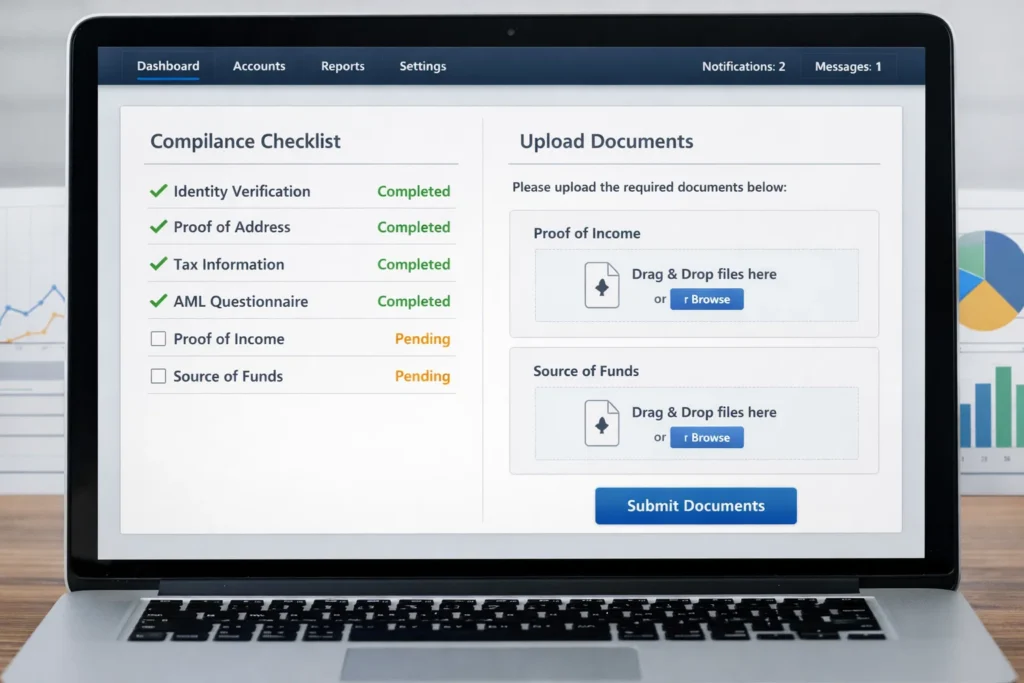
Key Compliance Requirements
- Keep valid books of accounts.
- Ensure turnover does not exceed ₹100 crore in any financial year.
- Deduction is allowed only for three consecutive years, not for scattered years.
- Keep all documents related to innovation.
- Continue to satisfy DPIIT terms to remain eligible.
Common Reasons of Rejection
- Lack of clarity on innovation
- Inadequate documentation
- Business does not qualify as an innovation
- Misrepresentation of financials
- Lack of scalability
Proper documentation and structured application significantly improve approval chances
Practical Steps Before Applying
- Assess whether your startup is currently profitable or expects to be profitable in the next few years.
- Decide on which three years you would like to claim the deduction.
- Ensure your compliance status is clean before applying
- Have your documents professionally reviewed.
Read Out Full Blog on Startup Registration :https://thejackrabbit.in/startup-registration-in-india-dpiit-benefits/
How Jackrabbit – Financial Consultants in Gurugram Can Assist You
To apply under Section 80-IAC, you need to have proper documentation, financial understanding, and representation of your business model.
Jackrabbit – Financial Consultants in Gurugram offers organized assistance to startups who wish to claim tax benefits under Section 80-IAC. Our assistance includes:
- Evaluation of eligibility criteria
- Help with DPIIT compliance status check
- Organized preparation and structuring of IMB application
- Review of financial documents
- Profit assessment for strategic year selection
- Compliance and tax advice
Our assistance is organized and based on documentation. We do not rely on assumptions but ensure that your application is in line with the legal provisions under the Income-tax Act.
Startups can contact our team of experienced Chartered Accountants to assess whether Section 80-IAC is applicable to their business and financial situation.

Conclusion
Section 80-IAC is a great tax incentive for eligible startups, allowing them to deduct 100% of their profits for three consecutive years in the first ten years of incorporation. However, the eligibility criteria must be met strictly, and approval from IMB is mandatory.
Startups must be cautious while applying for the tax incentive and keep proper records to ensure they meet the innovation and turnover requirements before applying.
Professional advice can be sought to avoid mistakes in documentation and make the application process clearer.