

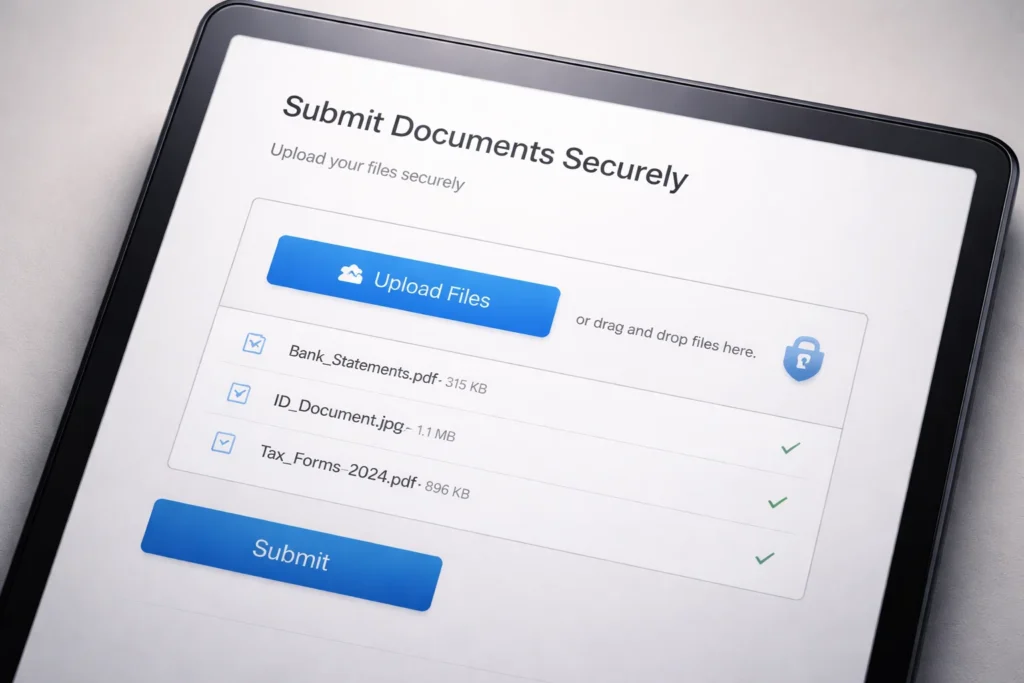
As the tax administration system in India remains operational through well-organized online platforms, The Online Grievance Redressal Mechanism 2026 have emerged as a crucial support service for taxpayers. The direct and indirect tax departments offer officially recognized online platforms for taxpayers to submit their administrative grievances, technical complaints, and check the status of complaints online.
In 2026, as all return filing, registration, refund status tracking, and compliance communication remain online, it is a practical requirement for taxpayers to be aware of the process of using grievance redressal mechanisms.
Jackrabbit Consultants – Financial Consultants in Gurugram help taxpayers understand and work with these official platforms in an organized and documentation-friendly way.
Understanding Online Grievance Redressal Mechanism 2026
The grievance redressal mechanism is an official online platform offered by government departments to taxpayers to address service-related or administrative issues.
It is intended to:
- Allow online submission of complaints.
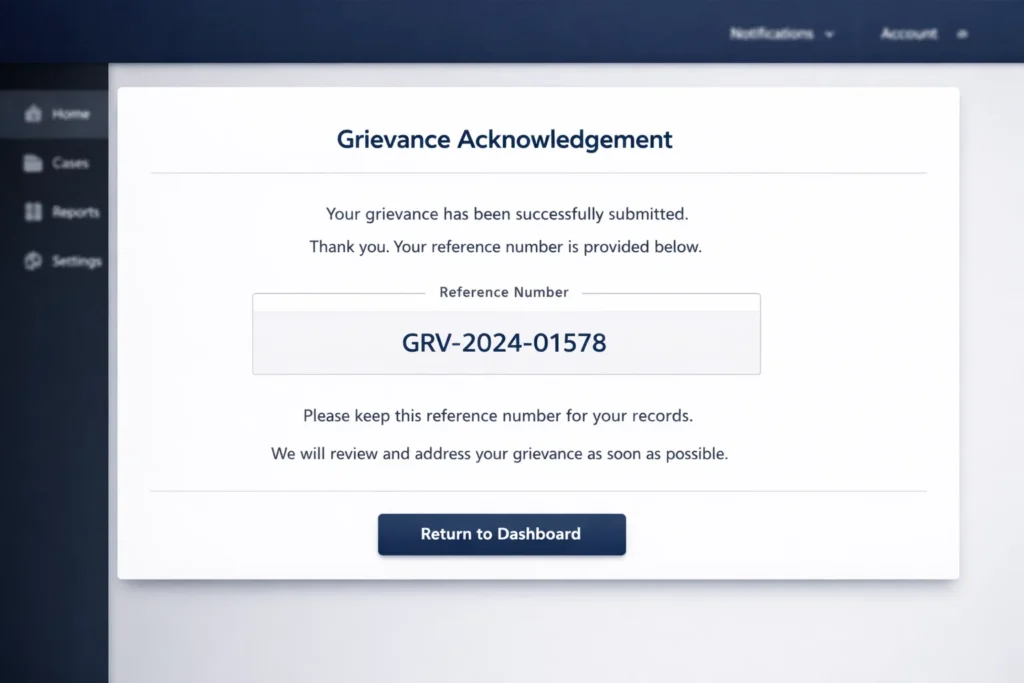
- Send an acknowledgement for the submission.
- Enable the taxpayer to track the status.
- Enable online communication.
- Record all communication in a formal manner.
It is essential to understand that a grievance is not a dispute against an assessment order. Rather, it is intended to address a system-related issue.
Grievance Mechanism Under Income Tax Administration
For income tax-related issues, grievances can be filed through:
- The government’s official Income Tax e-filing website.
- Helpdesk or grievance cell available on the website.
- CPGRAMS (Centralized Public Grievance Redress and Monitoring).
The facility enables taxpayers to log in and file grievances regarding technical issues, delays, or mismatches in communications.
Common Scenarios Where Taxpayers File Grievances
Taxpayers may think of filing a grievance in the following scenarios:
- Delay in the processing of income tax refunds.
- Login or access problems on the website.
- Problems in linking PAN and Aadhaar.
- Tech issues while filing returns.
- Mismatches in automated communications.
- Delay in response to requests for rectification.
- Inaccurate representation of demand or mismatches in records.
Each grievance should be specific about the problem and contain appropriate references to support the grievance.
Step-by-Step Procedure: Filing a Grievance on the Income Tax Portal
Although the design of the portal may change from time to time, the following are the basic steps involved:
- Login to the Official Portal
Use your login credentials to access your registered account.
- Access the Grievance Page
Find the grievance or help desk option available on the dashboard.
- Select the Correct Category
Select the category that best describes the grievance.
- Describe the Grievance
Mention the grievance in detail, including dates, references, notice numbers, or transaction numbers.
- Upload Supporting Documents
Upload screenshots, notices, acknowledgment receipts, or any other correspondence as required.
- Submit the Grievance
After submitting the grievance, the system automatically generates an acknowledgement number.
The acknowledgement number should be retained for future reference.
At Jackrabbit Consultants Private Limited, we help our clients prepare structured grievance submissions.
Monitoring the Status of a Filed Grievance
After submission :
- An acknowledgement number is generated.
- Status updates can be checked on the portal dashboard.
- Official replies are sent electronically.
- Additional clarifications, if needed, can be sought through the portal.
Taxpayers are advised to:
- Regularly check the portal.
- Store digital copies of the grievances filed.
- Store acknowledgement numbers in a safe place.
Following proper tracking helps in taking timely action wherever needed.
Grievance Mechanism Under GST and Indirect Tax
For GST issues, the grievance mechanism is provided through the official GST portal and helpdesk systems.
Some common GST-related grievances include:
- Issues with registration on the system.
- Tech problems while filing tax returns.
- Delays in payment credits.
- Misvalidation on the system.
- Login and authentication problems.
- Request for clarifications on alerts sent by the portal
Like income tax grievance systems, GST grievances are filed online and tracked through a reference number.
Jackrabbit Consultants assist clients in preparing GSTIN references, return dates, ARN numbers, and other supporting documents before filing a grievance.
Importance of Proper Documentation
Proper documentation is crucial for effective grievance submission.
Taxpayers must ensure:
- Issue description is brief and clear.
- Relevant reference numbers are provided.
- Supporting documents are attached.
- Screenshots are labeled correctly.
- Communication history is maintained.
Inadequate documentation may lead to a delay in the resolution process or further clarification requests.
Professional documentation of grievances can minimize misunderstandings and ensure the department has access to all information from the initial step.
Grievance vs. Appeal: Recognizing the Difference
Taxpayers often mistake grievance processes for statutory appeals.
Grievance:
- Deals with administrative, procedural, or technical issues.
- Used for service-related grievances.
Appeal:
- Proceeded against assessment orders or judicial decisions.
- Ruled by statutory time limits and procedures.
Choosing the right process is critical to prevent procedural delays.
At Jackrabbit Consultants – Financial Consultants in Gurugram, we assist taxpayers in deciding whether to proceed with a grievance submission or a statutory appeal depending on the nature of the dispute.
Role of Digital Compliance in 2026
With tax administration being a digital process:
- Communication is done electronically.
- Notices are sent online.
- Refunds are processed automatically.
- Compliance monitoring is done through the portal.
Taxpayers must:
- Check their registered accounts periodically.
- Update their contact information.
- Check pending actions.
- Check grievance submissions.
- Respond to departmental communication within set timelines.
Awareness about digital technology closes compliance gaps and enhances efficiency.
Practical Implications for Businesses and Taxpayers
It is essential for businesses and taxpayers to adopt an in-house compliance monitoring system that involves:
- Portals checked periodically.
- Record maintenance.
- Refund status tracking.
- Demand verification.
- System discrepancy checks.
Identifying problems early enables timely grievance submission and follow-up.
Jackrabbit Consultants help organizations implement grievance monitoring as part of their overall compliance management system.
Conclusion
The online grievance redressal mechanism 2026 system available online is a formal way for taxpayers to express their grievances regarding the administrative and service issues in the income tax and GST regimes.
The system enables formal communication without the need for actual visits due to the availability of electronic submission, generation of acknowledgment, and tracking of status.
In the year 2026, with the increasing influence of digital compliance on tax administration, knowledge and proper use of grievance systems constitute a significant part of effective tax management.
Jackrabbit Consultants – Financial Consultants in Gurugram assist businesses, MSMEs, startups, and individual taxpayers in preparing structured grievance submissions, preparing documentation, and monitoring responses on the online portal for ensuring clarity and follow-through